


Artificial Intelligence (AI) has revolutionized how people search for information online. From conversational search engines to AI-powered assistants, the way content is discovered, ranked, and consumed is changing rapidly. In this evolving landscape, AI search monitoring tools have become essential for businesses, marketers, and content creators who want to stay competitive.
This comprehensive guide explores why AI search monitoring tools are crucial, how they work, their benefits, use cases, and how to choose the right one. Whether you’re an SEO professional, business owner, or digital marketer, this article will help you understand why these tools are no longer optional—they are essential.
What Are AI Search Monitoring Tools?
AI search monitoring tools are advanced platforms that track, analyze, and optimize how your content performs across AI-driven search systems. Unlike traditional SEO tools that focus only on search engine rankings, these tools monitor:
- AI-generated search results
- Conversational queries
- Voice search responses
- Featured snippets and summaries
- AI assistant recommendations
They help you understand how AI interprets and presents your content to users.
The Shift from Traditional Search to AI Search
1. Search Is Becoming Conversational
Users are no longer typing short keywords like “best laptops 2026.” Instead, they ask:
- “What’s the best budget laptop for students in 2026?”
- “Which laptop has the best battery life under $1000?”
AI systems analyze intent, context, and nuance. Traditional SEO tools struggle to track this shift—but AI monitoring tools excel at it.
2. AI Summaries Replace Clicks
Search engines increasingly provide direct answers instead of links. This means:
- Fewer clicks to websites
- More reliance on AI summaries
- Increased competition for visibility within AI responses
AI search monitoring tools help you track whether your content is being used in these summaries.
Why Use AI Search Monitoring Tools?
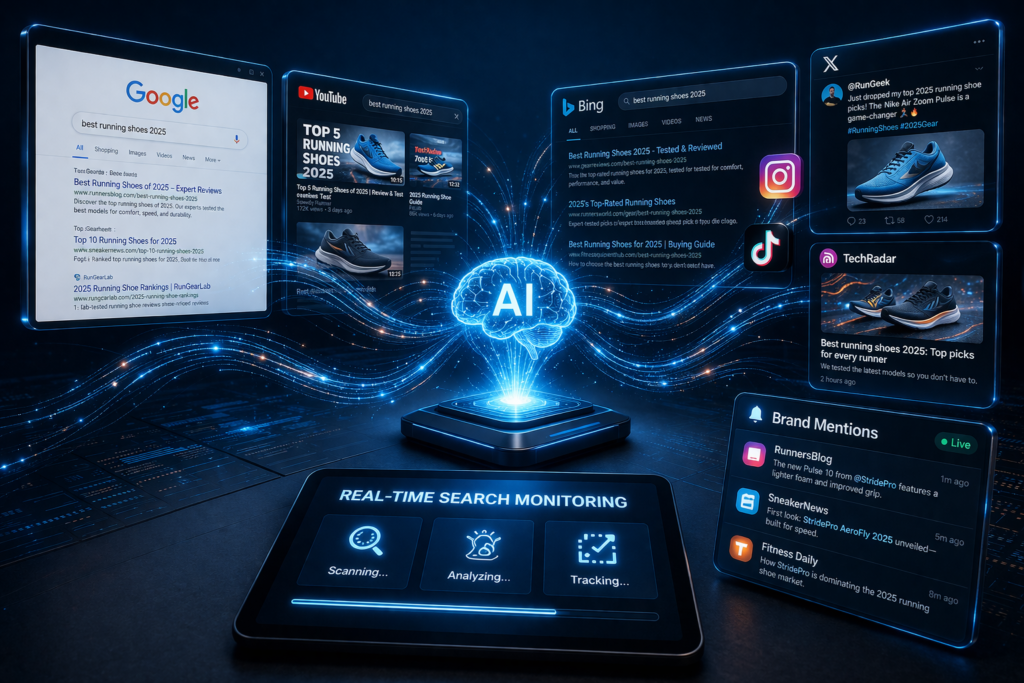
1. Understand AI Visibility (Not Just Rankings)
Traditional SEO focuses on ranking positions. But AI search introduces a new metric: visibility in AI-generated answers.
AI monitoring tools help you:
- Track mentions in AI responses
- Identify which content is being cited
- Understand why competitors are being featured
Without these insights, you’re essentially invisible in AI search ecosystems.
2. Track Brand Mentions in AI Responses
AI tools often summarize information from multiple sources without always linking directly.
With AI monitoring tools, you can:
- Detect when your brand is mentioned
- Monitor sentiment and context
- Identify missed opportunities
This is crucial for brand authority and reputation management.
3. Optimize for Generative Search Engines
Generative search engines rely on:
- Contextual relevance
- Structured data
- Authority signals
- Natural language
AI monitoring tools analyze how your content aligns with these factors and provide recommendations to improve.
4. Stay Ahead of Competitors
Your competitors are already adapting to AI search. Monitoring tools allow you to:
- See which competitors appear in AI answers
- Analyze their content strategies
- Identify gaps in your own content
This competitive intelligence is invaluable.
5. Improve Content Strategy with Real Data
AI tools provide insights such as:
- What questions users are asking
- Which topics are trending
- How AI interprets your content
This helps you create content that aligns with user intent and AI algorithms.
6. Enhance Voice Search Optimization
Voice search is growing rapidly, especially with mobile and smart devices.
AI monitoring tools help you:
- Track voice search queries
- Optimize for natural language
- Improve conversational content
7. Detect Content Gaps and Opportunities
AI tools identify:
- Missing topics
- Underperforming content
- Untapped keywords
This allows you to expand your content strategically and capture more traffic.
8. Measure AI-Driven Traffic Impact
Traditional analytics tools don’t fully capture AI-driven traffic.
AI monitoring tools provide:
- Insights into AI referral sources
- Impact of AI summaries on traffic
- Changes in user behavior
9. Improve E-E-A-T (Experience, Expertise, Authority, Trust)
AI systems prioritize high-quality, trustworthy content.
Monitoring tools help you:
- Evaluate content authority
- Improve credibility signals
- Align with AI ranking factors
10. Adapt to Constant Algorithm Changes
AI search algorithms evolve rapidly.
AI monitoring tools:
- Track changes in real-time
- Provide actionable insights
- Help you adjust strategies quickly
Key Features of AI Search Monitoring Tools
When selecting an AI search monitoring tool, it is essential to evaluate features that align with modern AI-driven search behavior. These tools go beyond traditional SEO by focusing on how content is interpreted and presented by artificial intelligence systems. The right features can help businesses improve visibility, track performance, and adapt to evolving search trends effectively.
AI SERP Tracking
AI SERP tracking allows you to monitor how your content appears within AI-generated search results, including summaries and featured answers. Unlike traditional ranking tools, it focuses on visibility inside AI responses rather than just position on a results page. This helps businesses understand whether their content is being used or referenced by AI systems. It is crucial for maintaining relevance in AI-powered search environments.
Conversational Query Analysis
Conversational query analysis examines how users search using natural, question-based language. It identifies long-tail keywords and patterns in how people interact with AI tools and voice assistants. This feature helps optimize content for real-world search behavior rather than rigid keyword structures. As a result, businesses can create more relevant and user-focused content.
Competitor Intelligence
Competitor intelligence provides valuable insights into how competing brands perform in AI-generated search results. It highlights which competitors are being featured, what type of content they produce, and why they rank higher. This allows businesses to identify gaps in their own strategies and refine their approach. Staying informed about competitors is essential for maintaining a competitive edge.
Content Optimization Suggestions
Content optimization suggestions offer actionable recommendations to improve the performance of your content in AI search. These insights may include improving structure, enhancing readability, or aligning with user intent. AI tools analyze how content is interpreted and suggest ways to increase relevance and authority. Implementing these suggestions can significantly boost visibility and engagement.
Real-Time Alerts
Real-time alerts notify users about important changes in content performance, such as ranking shifts or brand mentions in AI responses. This immediate feedback allows businesses to respond quickly to opportunities or threats. It ensures that strategies remain proactive rather than reactive. Timely updates are critical in a fast-changing AI search landscape.
Multi-Platform Monitoring
Multi-platform monitoring tracks content performance across various AI-driven platforms, including search engines, voice assistants, and chat-based systems. This provides a comprehensive view of how content is consumed in different environments. It helps ensure consistency and visibility across all channels. Businesses can use this data to refine their overall digital strategy.
Use Cases of AI Search Monitoring Tools
AI search monitoring tools serve a wide range of users, from businesses to content creators. They provide valuable insights tailored to different goals, such as improving visibility, increasing engagement, or boosting sales. Understanding these use cases helps organizations maximize the benefits of these tools. Each use case highlights the versatility and importance of AI-driven monitoring.
For Businesses
Businesses use AI search monitoring tools to enhance their online presence and stay competitive in digital markets. These tools help track how their brand appears in AI-generated responses and identify opportunities for growth. They also assist in managing reputation and improving customer trust. Ultimately, this leads to increased conversions and long-term business success.
For SEO Professionals
SEO professionals rely on AI monitoring tools to adapt their strategies to evolving search algorithms. These tools provide detailed insights into performance metrics and user behavior. They help identify trends, optimize content, and improve search visibility. By leveraging these insights, SEO experts can deliver more effective and data-driven results.
For Content Creators
Content creators benefit from understanding how AI systems interpret and present their work. Monitoring tools provide insights into engagement, relevance, and audience preferences. This allows creators to produce content that resonates with both users and AI algorithms. As a result, they can increase visibility and maintain relevance in a competitive landscape.
For E-commerce
E-commerce businesses use AI monitoring tools to track product visibility in AI-driven search results. These tools help optimize product descriptions and improve discoverability. They also provide insights into customer preferences and buying behavior. This leads to better conversion rates and increased sales performance.
How AI Search Monitoring Tools Work
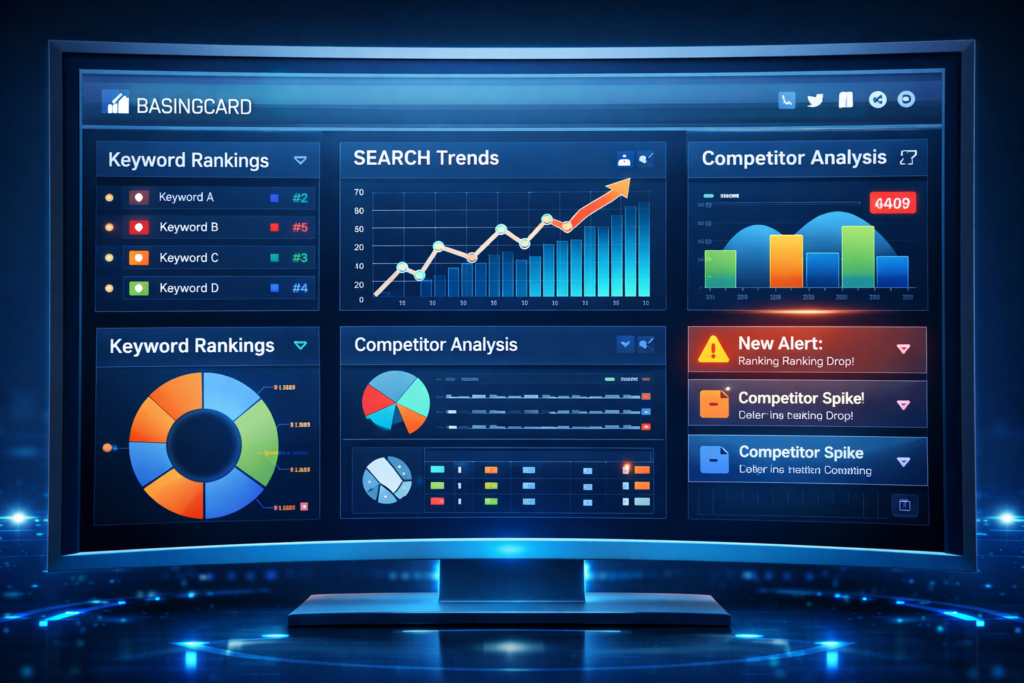
AI search monitoring tools operate using advanced technologies to collect, analyze, and interpret data from various sources. They combine machine learning and natural language processing to deliver actionable insights. Understanding how these tools work helps users make better use of their features. Each stage of the process plays a critical role in delivering accurate and useful results.
Data Collection
Data collection is the first step, where tools gather information from AI search engines, platforms, and user interactions. This includes queries, responses, and content performance metrics. The collected data forms the foundation for further analysis. Accurate and comprehensive data ensures reliable insights.
Natural Language Processing (NLP)
Natural Language Processing enables tools to understand and analyze human language in search queries. It helps interpret context, intent, and meaning behind user interactions. This allows businesses to align their content with how users naturally communicate. NLP is essential for optimizing content in conversational search environments.
Machine Learning Models
Machine learning models process large amounts of data to identify patterns and trends. They continuously learn and improve based on new information. This helps predict user behavior and optimize content strategies. These models make AI monitoring tools smarter and more effective over time.
Reporting and Insights
The final stage involves presenting data in the form of reports and actionable insights. These reports highlight performance metrics, trends, and areas for improvement. Users can make informed decisions based on this information. Clear and detailed insights are key to achieving success in AI-driven search.
Benefits of Using AI Search Monitoring Tools
AI search monitoring tools provide a wide range of advantages for businesses and digital marketers operating in an AI-driven search landscape. These tools offer deeper insights into content performance, user behavior, and search trends. By leveraging advanced analytics and automation, they help improve efficiency and effectiveness. Ultimately, they enable organizations to make smarter decisions and achieve better results.
Better Decision-Making
AI search monitoring tools provide data-driven insights that help businesses make informed strategic decisions. They analyze user behavior, search trends, and content performance in real time. This allows marketers to identify what is working and what needs improvement. With accurate data, businesses can reduce guesswork and implement more effective strategies.
Increased ROI
Optimizing content for AI-driven search can significantly improve return on investment. These tools help increase visibility in AI-generated responses, leading to higher engagement and conversions. By targeting the right audience with relevant content, businesses can maximize their marketing efforts. This results in better outcomes without unnecessary spending.
Time Efficiency
Automation is one of the biggest advantages of AI search monitoring tools. They handle complex tasks such as data analysis, tracking, and reporting with minimal manual effort. This saves time for marketers and allows them to focus on strategy and creativity. Increased efficiency leads to faster execution and improved productivity.
Scalability
AI search monitoring tools are designed to handle large-scale operations with ease. Whether managing multiple websites or extensive content libraries, these tools provide consistent performance. They allow businesses to scale their SEO efforts without compromising quality. This makes them ideal for growing organizations and expanding digital campaigns.
Challenges Without AI Search Monitoring Tools
Operating without AI search monitoring tools can put businesses at a significant disadvantage in today’s competitive digital environment. Traditional SEO methods are no longer sufficient to keep up with AI-driven search systems. Without proper monitoring, it becomes difficult to understand performance and adapt strategies. This can lead to missed opportunities and declining visibility.
Loss of Visibility in AI Search
Without AI monitoring tools, businesses may struggle to appear in AI-generated search results. As search engines rely more on AI summaries, traditional rankings become less impactful. This lack of visibility can reduce brand awareness and online presence. Staying visible requires adapting to AI-driven search mechanisms.
Reduced Website Traffic
AI-generated answers often reduce the need for users to click on links, impacting website traffic. Without monitoring tools, businesses cannot track or respond to these changes effectively. This can lead to a steady decline in organic traffic. Understanding AI-driven behavior is essential to maintaining consistent visitor flow.
Poor Content Performance
Content that is not optimized for AI search may fail to reach its target audience. Without insights from monitoring tools, it becomes difficult to identify weaknesses in content strategy. This results in low engagement and limited impact. Continuous optimization is necessary to ensure strong performance.
Missed Opportunities
AI search monitoring tools help identify trends, gaps, and emerging opportunities. Without them, businesses may overlook valuable chances to improve visibility and engagement. Competitors who use these tools can gain a significant advantage. Missing these opportunities can hinder growth and long-term success.
AI Search Monitoring vs Traditional SEO Tools
| Feature | Traditional SEO Tools | AI Search Monitoring Tools |
| Keyword Tracking | Yes | Yes |
| Conversational Queries | Limited | Advanced |
| AI Response Tracking | No | Yes |
| Voice Search Optimization | Basic | Advanced |
| Competitor Analysis | Yes | Enhanced |
| Real-Time Insights | Limited | Comprehensive |
Best Practices for Using AI Search Monitoring Tools
To maximize the effectiveness of AI search monitoring tools, it is important to follow proven best practices. These tools are powerful, but their success depends on how strategically they are used. By focusing on user behavior, content quality, and continuous optimization, businesses can achieve better results. Implementing these practices ensures long-term success in AI-driven search environments.
Focus on User Intent
Understanding user intent is the foundation of effective AI search optimization. Instead of targeting only keywords, businesses should focus on answering real user questions and solving problems. AI systems prioritize content that aligns with user needs and expectations. By addressing intent directly, content becomes more relevant and valuable.
Optimize for Natural Language
AI search engines favor content that mimics natural human communication. Writing in a conversational and easy-to-understand tone improves accessibility and engagement. This approach also aligns with how users interact with voice assistants and AI tools. Optimizing for natural language increases the chances of being featured in AI-generated responses.
Use Structured Data
Structured data helps AI systems better understand the context and meaning of your content. It provides clear signals about topics, entities, and relationships within your content. This improves how your content is indexed and displayed in search results. Implementing structured data enhances visibility and accuracy in AI-driven search.
Regularly Monitor Performance
Consistent monitoring is essential to track how content performs in AI search environments. AI search monitoring tools provide real-time insights into visibility, engagement, and trends. Regular analysis allows businesses to identify strengths and weaknesses. This helps in making timely adjustments to improve performance.
Update Content Frequently
Keeping content fresh and up to date is crucial for maintaining relevance in AI search. AI systems prioritize current and accurate information when generating responses. Regular updates ensure that your content remains competitive and valuable. This also signals reliability and authority to both users and search engines.
Future of AI Search Monitoring

The future of search is increasingly driven by artificial intelligence and evolving user expectations. As technology advances, search engines will become more intuitive, personalized, and context-aware. AI search monitoring tools will play a critical role in helping businesses adapt to these changes. Staying ahead of these trends is essential for long-term digital success.
Increased Use of Generative AI
Generative AI is transforming how search engines deliver information by creating direct, detailed responses. Instead of displaying a list of links, AI systems generate summaries based on multiple sources. This changes how content is consumed and evaluated. Monitoring tools help track how your content is used in these AI-generated outputs.
Growth of Voice and Visual Search
Voice and visual search technologies are rapidly gaining popularity among users. People now search using voice commands or images rather than text alone. This shift requires content to be optimized for different formats and contexts. AI monitoring tools help businesses adapt to these emerging search methods.
Personalized Search Experiences
AI-driven search engines are increasingly delivering personalized results based on user behavior, preferences, and history. This means that no two users may see the same results. Businesses must understand and adapt to these variations. Monitoring tools provide insights into how personalization affects visibility and engagement.
Reduced Reliance on Traditional Rankings
Traditional search rankings are becoming less important as AI-generated answers take center stage. Visibility is no longer limited to being on the first page of results. Instead, it depends on being included in AI responses and summaries. AI monitoring tools help track this new form of visibility effectively.
Growing Importance of AI Monitoring Tools
As AI continues to reshape search, monitoring tools will become indispensable for digital success. They provide the insights needed to navigate complex search ecosystems. Businesses that adopt these tools early will have a significant advantage. Their importance will only increase as AI technology evolves.
How to Choose the Right AI Search Monitoring Tool
Selecting the right AI search monitoring tool is critical for achieving optimal results. With many options available, businesses must evaluate tools based on their specific needs and goals. The right choice can enhance efficiency, improve insights, and support growth. Careful consideration ensures maximum return on investment.
Features
The features of an AI search monitoring tool determine its overall effectiveness. It should include capabilities such as AI search tracking, conversational analysis, and competitor insights. Advanced features provide deeper understanding and better optimization opportunities. Choosing a tool with comprehensive functionality is essential.
Ease of Use
A user-friendly interface is important for efficient workflow and productivity. Complex tools can slow down processes and reduce effectiveness. An intuitive design allows users to access insights quickly and easily. This ensures that teams can fully utilize the tool’s capabilities.
Integration
Integration with existing tools and platforms is a key factor to consider. The tool should work seamlessly with analytics software, content management systems, and marketing platforms. This ensures a smooth workflow and centralized data management. Good integration enhances overall efficiency.
Pricing
Pricing should align with your budget while delivering value for money. It is important to compare features and benefits against the cost. Some tools offer scalable pricing plans based on business size and needs. Choosing the right pricing model ensures sustainable investment.
Support
Reliable customer support is essential for resolving issues and maximizing tool usage. Good support includes documentation, tutorials, and responsive assistance. This helps users overcome challenges and optimize their strategies. Strong support ensures a better overall experience.
Final Thoughts
AI is transforming the search landscape faster than ever before. Traditional SEO strategies alone are no longer enough to maintain visibility and competitiveness.
AI search monitoring tools provide the insights, data, and strategies needed to thrive in this new era. They help you understand how AI interprets your content, optimize for emerging search trends, and stay ahead of competitors.
If you want to future-proof your digital presence, investing in AI search monitoring tools is not just a smart choice—it’s a necessary one.
FAQs
1. Are AI search monitoring tools necessary in 2026?
Yes, they are essential due to the rise of AI-driven search engines and changing user behavior.
2. Can these tools replace traditional SEO tools?
No, they complement traditional tools by adding AI-specific insights.
3. Who should use AI search monitoring tools?
Businesses, marketers, SEO professionals, and content creators.
4. Do these tools improve rankings?
They help optimize content, which can improve visibility and rankings.